
Digital Training Record Management: A Must for UAE
Digital training record management is essential for UAE businesses to maintain HSE compliance, streamline audit processes, and ensure workforce



Digital training record management is essential for UAE businesses to maintain HSE compliance, streamline audit processes, and ensure workforce
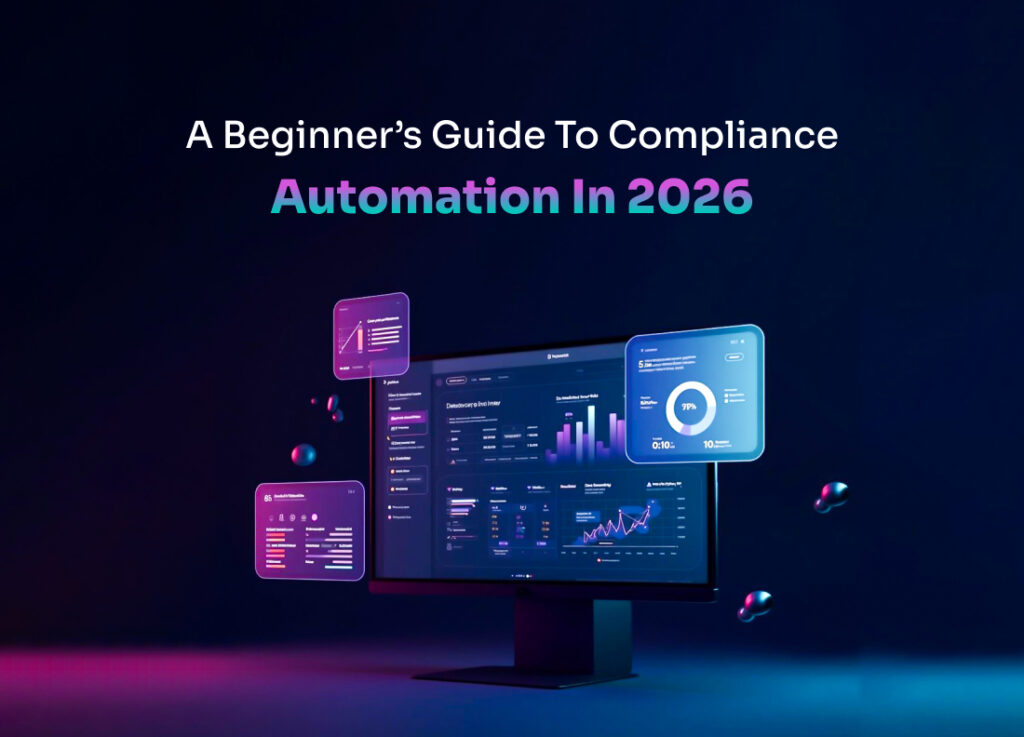
Compliance management used to be something organizations worried about during audits. In 2026, that approach no longer works.
Regulations are increasing. Audits are more frequent. Teams are more distributed. And compliance now touches operations, IT, security, HR, and leadership at the same time.
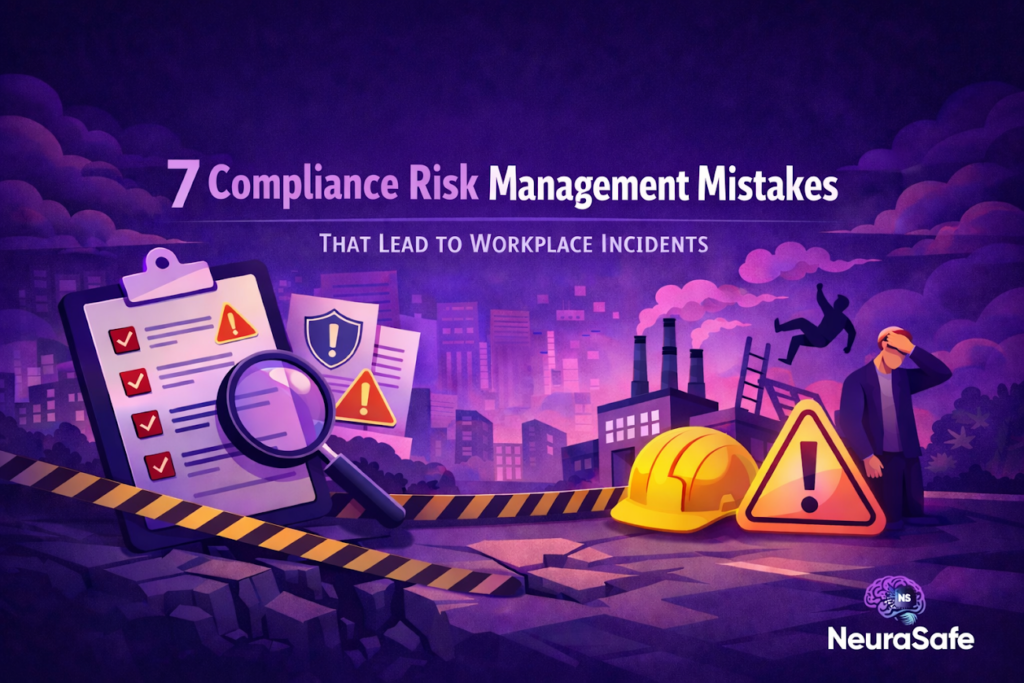
Compliance management used to be something organizations worried about during audits. In 2026, that approach no longer works.
Regulations are increasing. Audits are more frequent. Teams are more distributed. And compliance now touches operations, IT, security, HR, and leadership at the same time.
Compliance management used to be something organizations worried about during audits. In 2026, that approach no longer works.
Regulations are increasing. Audits are more frequent. Teams are more distributed. And compliance now touches operations, IT, security, HR, and leadership at the same time.
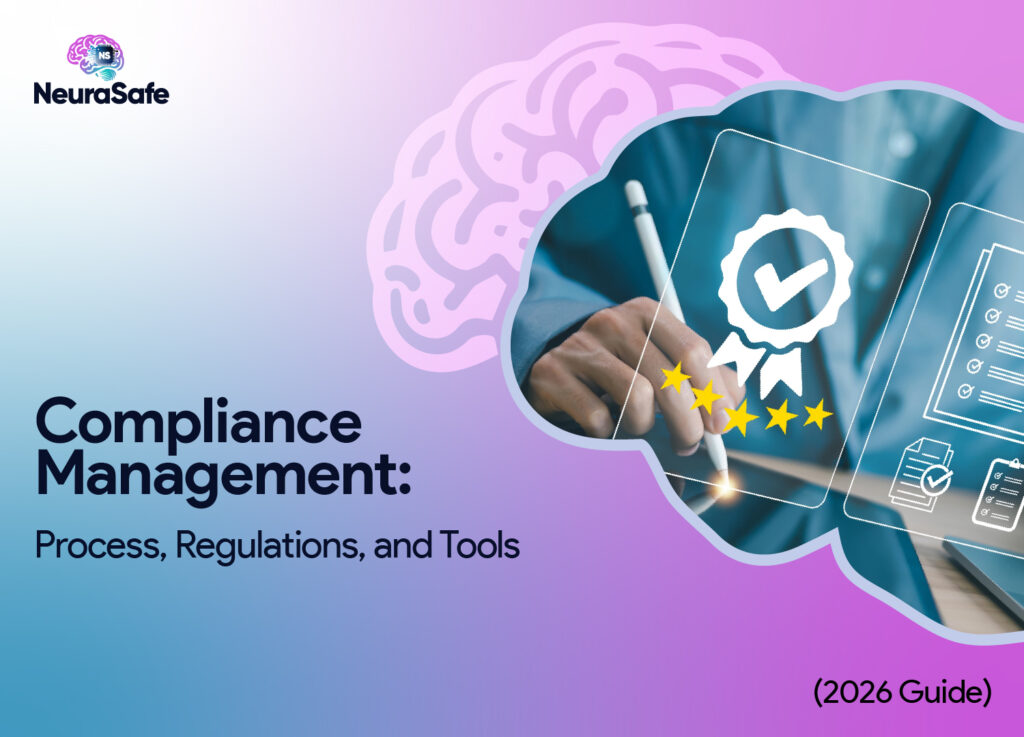
Compliance management used to be something organizations worried about during audits. In 2026, that approach no longer works.
Regulations are increasing. Audits are more frequent. Teams are more distributed. And compliance now touches operations, IT, security, HR, and leadership at the same time.
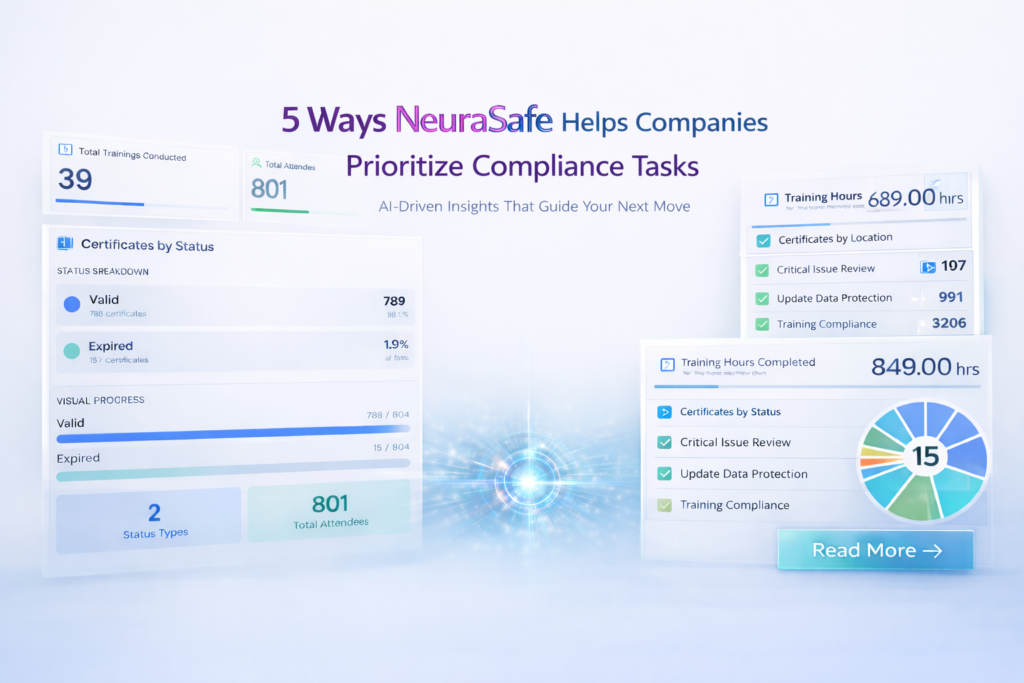
Compliance work rarely fails because teams don’t care. It fails because everything feels urgent at the same time.
Policy reviews, audit prep, evidence collection, follow-ups when tasks are scattered and disconnected, teams struggle with prioritizing tasks that actually reduce risk.
In 2026, staying compliant has become a part of daily operations, not just a box you check once a year. But with more regulations popping up, many teams are drowning in manual work and messy spreadsheets. Compliance management platforms solve this by organizing your evidence and audits in one place.
Compliance audits often feel overwhelming, especially when teams are unsure what auditors will ask for or where information is stored.
In most cases, audits become difficult not because organizations are non-compliant, but because documentation and preparation are not structured.
Audit readiness is not about preparing documents a week before an audit. It is about how consistently documentation is created, maintained, and controlled during daily operations.
Organizations that struggle with audits usually do not lack effort. They lack structure. Documents exist, but they are incomplete, outdated, or scattered across systems. This is where documentation plays a central role in audit readiness.

Many organizations treat documentation as the last step, intending to ‘backfill’ the details later. That time rarely comes.