


Compliance management used to be something organizations worried about during audits. In 2026, that approach no longer works.
Regulations are increasing. Audits are more frequent. Teams are more distributed. And compliance now touches operations, IT, security, HR, and leadership at the same time.
This guide explains compliance management and the types of regulations organizations deal with, and the tools teams use today to manage compliance.
Also read: 5 Ways NeuraSafe Helps Companies Prioritize Compliance Tasks
What Is Compliance Management?
Compliance management is how an organization ensures it follows laws, regulations, and internal rules consistently.
It’s not just about having policies written down. It’s about making sure those policies are followed, tracked, reviewed, and proven when required.
Compliance management explained in simple terms
In practice, compliance management answers three questions:
- What rules apply to us?
- How do we make sure teams follow them?
- How do we prove it during audits or inspections?
When this is done informally, compliance depends on people remembering what to do. When it’s managed properly, compliance becomes part of daily work.
Compliance and management working together
Compliance in management is not just a legal or compliance-team responsibility. Leadership sets priorities, allocates resources, and decides whether compliance is treated as a checkbox or an operational requirement.
Organizations that manage compliance well usually have strong involvement from operations and management, not just compliance specialists.
The Compliance Management Process (Step by Step)
Compliance management works best when it follows a clear process. Most organizations struggle not because they skip steps, but because those steps are unclear or inconsistent.
Step 1: Identifying applicable regulations
The first step is understanding which regulations apply to the organization. This depends on:
- Industry
- Location
- Type of data handled
- Nature of operations
Good regulations management prevents teams from over-complying in some areas and missing critical requirements in others.
Step 2: Defining policies and controls
Once regulations are identified, they need to be translated into internal policies and controls. This is where many gaps appear.
Policies must reflect how work actually happens. Controls must be realistic, measurable, and enforceable across departments.
Step 3: Execution and monitoring
This is where compliance lives day to day.
Teams perform checks, approvals, reviews, and documentation as part of normal operations. Monitoring ensures these activities are actually happening, not just written down.
Step 4: Incident handling and corrective actions
No system is perfect. When something goes wrong, compliance incident management becomes critical.
Incidents need to be:
- Recorded
- Investigated
- Corrected
- Documented
Without this, the same issues repeat and audit findings pile up.
Step 5: Review, audits, and improvement
Audits and reviews close the loop. They show what’s working and what isn’t.
Strong compliance programs use audit results to improve processes, not just “pass the audit.”
Also read: How to Navigate Compliance Audits.
Key Regulations and Compliance Areas in 2026
Compliance requirements continue to expand, especially in technology-driven organizations.
IT regulations and compliance
IT regulations and compliance now affect almost every department. Access controls, data handling, system logs, and approvals are no longer just IT concerns.
Operations teams, HR, and leadership are all accountable for how systems are used and monitored.
Network security and regulatory compliance
Network security compliance standards play a growing role in regulatory audits. Regulators increasingly expect organizations to show how systems are protected, monitored, and reviewed.
This includes:
- Access management
- Monitoring controls
- Incident response documentation
Industry-specific compliance considerations
Industries like healthcare, finance, manufacturing, and logistics face additional regulatory pressure. While the rules differ, the compliance management principles remain the same: clarity, consistency, and evidence.
Tools Used in Modern Compliance Management
Manual compliance tracking does not scale. This is why most organizations now rely on software tools.
Compliance system management platforms
Compliance system management tools help organizations:
- Centralize compliance documents
- Track controls and tasks
- Maintain audit trails
- Monitor compliance status
They replace fragmented spreadsheets and shared folders with structured systems.
Network security tools for regulatory compliance management
Network security tools support compliance by enforcing and monitoring technical controls. However, they do not replace compliance management systems.
Security tools generate data. Compliance systems turn that data into evidence.
Compliance Management Tools vs Point Solutions
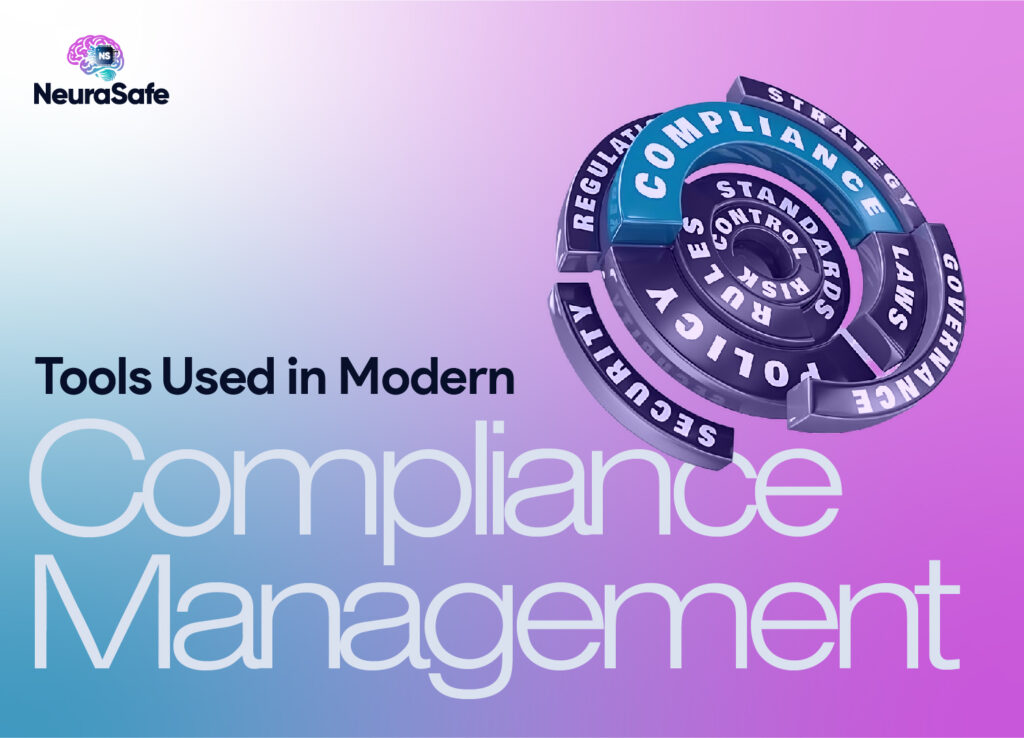
Point tools solve specific problems but create silos. When documentation, tasks, and evidence live in different systems, compliance becomes harder to manage.
Modern compliance management works best when tools are connected and centralized.
Also read: Top 5 Compliance Management Platforms in 2026
Managing Compliance Across Teams and Departments
One of the biggest challenges in compliance management is coordination.
Why compliance breaks across departments
Compliance tasks often fall between teams. Responsibilities are unclear. Priorities differ. Visibility is limited.
This leads to delays, missed tasks, and last-minute panic before audits.
Best practices for managing compliance across departments
Organizations that manage compliance well usually:
- Define clear ownership
- Use shared systems for documentation
- Standardize workflows
- Maintain visibility for leadership
Measuring and Tracking Compliance Performance
Measuring compliance performance is not about tracking everything. It is about tracking the right things consistently.
Good measurement helps teams see where compliance is working and where it is breaking down, before audits or incidents expose the gaps.
What to measure in compliance management
Effective compliance measurement usually focuses on a few core areas:
- Task completion
Are required compliance tasks being completed on time, or are they routinely delayed? - Control effectiveness
Are controls being followed as designed, or are exceptions becoming common? - Audit and inspection outcomes
How many findings are repeated across audits? Are the same issues showing up again? - Incident frequency and resolution
How often do compliance incidents occur, and how long do they take to resolve? - Documentation completeness
Are required records available, approved, and up to date when needed?
These indicators show whether compliance exists in practice, not just on paper.
How to measure compliance performance
Measurement only works when it is structured and repeatable.
Most organizations measure compliance by:
- Tracking tasks and deadlines in a central system
- Reviewing control checks and approvals over time
- Comparing audit findings across periods
- Monitoring trends instead of single data points
The goal is not perfect numbers. The goal is visibility.
When teams can see patterns, such as recurring delays or repeated findings, they can fix root causes instead of reacting during audits.
How Organizations Are Approaching Compliance Management in 2026
Most organizations are rethinking how they handle compliance.
Instead of scrambling before audits, teams are trying to stay prepared all year. Compliance work is moving closer to daily operations, where tasks, approvals, and documentation happen naturally.
There is also less reliance on emails and spreadsheets. Teams want one place to see what’s done, what’s missing, and what needs attention.
Conclusion
Compliance management in 2026 is no longer about reacting to audits or keeping documents in folders. It is about having a clear process, understanding regulatory requirements, and using the right tools to support day-to-day execution.
NeuraSafe helps organizations manage compliance as an operational system by centralizing documentation, tasks, and evidence in one place. This makes it easier to stay audit-ready, measure performance, and address issues early.
Contact us if you’re interested in learning more about how our platform can help turn compliance into a manageable part of everyday operations.